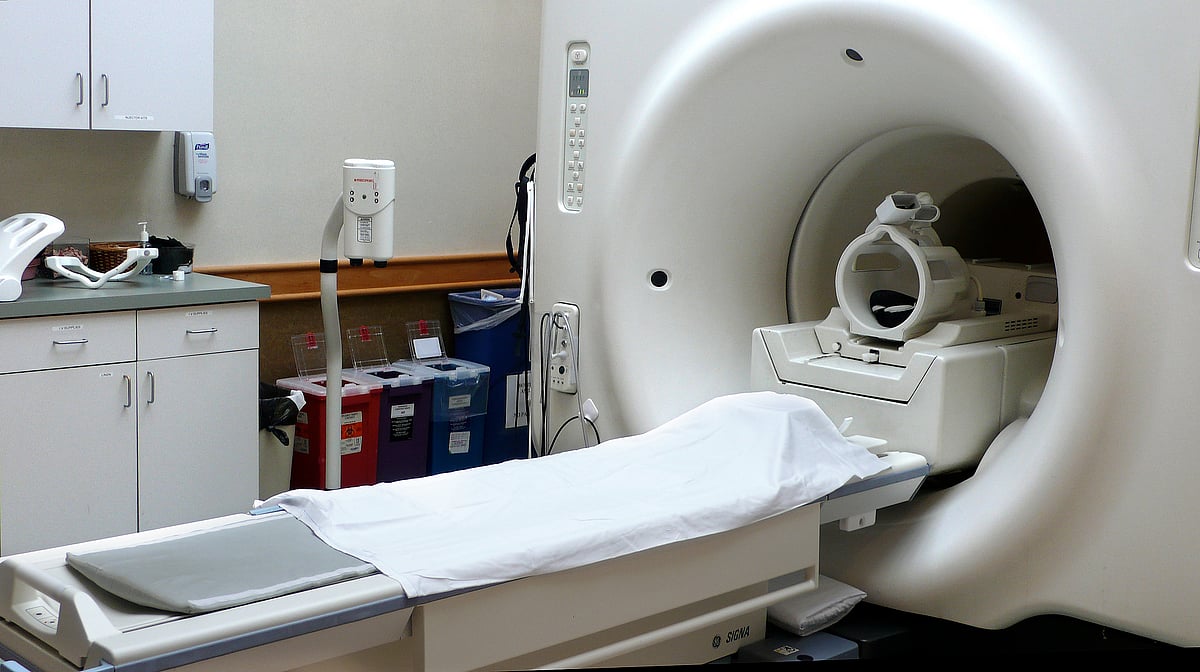
Mumbai, March 24: A global shortage of helium, exacerbated by the ongoing conflict in West Asia, is emerging as a concern for healthcare systems worldwide, particularly due to its critical role in MRI (Magnetic Resonance Imaging) scans.
MRI machines depend on powerful superconducting magnets to generate detailed images of the human body. These magnets must be maintained at extremely low temperatures—close to absolute zero—to function effectively, and liquid helium remains indispensable for this purpose.
Mumbai situation remains stable
In the Mumbai Metropolitan Region (MMR), however, the situation is currently stable. According to the Maharashtra State Radiology Association, there is no immediate cause for concern.
Dr. Prashant Patil, former president of the association, clarified that MRI machines do not require frequent helium refilling. “It is typically refilled once every three to five years,” he said, adding that no major issues have been reported across Mumbai and surrounding areas.
Advancements reduce dependence on helium
Echoing this view, Dr. Deepak Patkar, Director of Medical Services and Head of Radiology at Nanavati Max Super Speciality Hospital, explained that older MRI models generally need refilling every three years, while newer machines can operate up to five years without replenishment.
“This advancement has reduced dependence on frequent helium supply, though the challenge has not been eliminated,” he noted.
Supply challenges amid global tensions
A key concern arises during the installation of new MRI machines, which require immediate helium filling to become operational. Currently, this is proving difficult due to supply constraints, particularly from Qatar, one of the world’s leading helium producers.
Ongoing geopolitical tensions in the region have further disrupted production and transportation, tightening global supply chains. Such disruptions directly impact countries like India that rely heavily on imports.
Impact and risks ahead
Within the MMR, around 70 per cent of MRI machines are newer models with longer refill cycles, while the remaining 30 per cent are older systems requiring more frequent maintenance. Despite this, no diagnostic centre has reported immediate shortages.
However, experts caution that if a machine breaks down, repairs could be delayed as restarting often requires helium refilling—currently a challenge under constrained supply.
Dr. Patkar also highlighted the inherent difficulty in storing helium. As a highly volatile and non-renewable gas, even liquefied helium gradually evaporates during storage and transportation due to its extremely low boiling point. This makes the supply chain highly sensitive to disruptions.
Also Watch:
Long-term solutions being explored
While existing machines may continue functioning, prolonged shortages could delay new installations and hinder healthcare expansion. To address this, manufacturers are developing low-helium MRI systems, while hospitals are adopting improved conservation and recycling methods.
To get details on exclusive and budget-friendly property deals in Mumbai & surrounding regions, do visit: https://budgetproperties.in/