A viral post on social media platform X has sparked widespread discussion about sustainable tourism after highlighting the environmentally conscious rules followed at Nandankanan Zoological Park in Bhubaneswar, Odisha. Shared by user Manas Muduli, the post has crossed 110,000 views and drawn appreciation from users who called the initiative a practical solution to plastic pollution.
Refundable deposit encourages responsible visitors
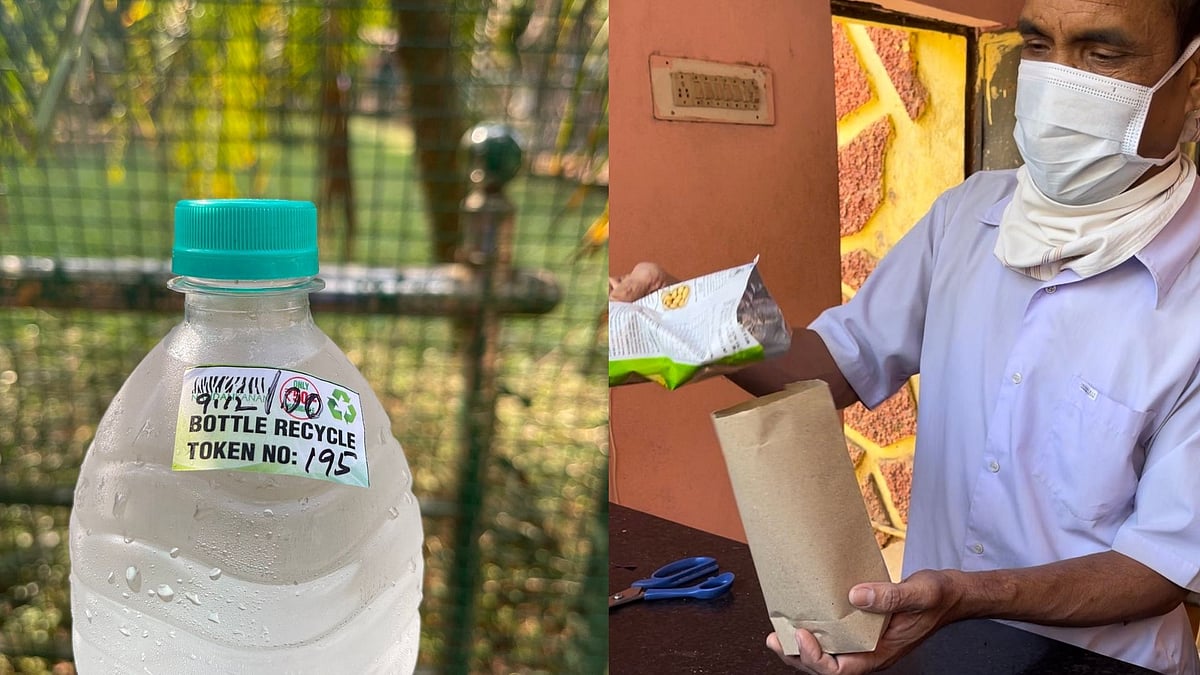
One of the standout practices at the zoo focuses on reducing plastic litter through accountability. Visitors entering with plastic water bottles are required to pay a refundable ₹50 deposit. The amount is returned once the empty bottle is handed back at the exit, motivating guests to carry their waste out instead of discarding it inside the premises.
This is of the best things about Nandankanan Zoological Park, Bhubaneswar
1. Carrying a plastic water bottle? You pay a refundable ₹50 deposit & get it back after returning the empty bottle.
2. Packaged food in plastic? It must be transferred into a paper bag before… pic.twitter.com/fSXZawGe9k
— Manas Muduli (@manas_muduli) April 4, 2026
This simple system has proven effective in promoting responsible behaviour while maintaining cleanliness across the zoo’s lush green environment.
No plastic packaging allowed inside
Another rule targets single-use plastic at the entry stage itself. Packaged food brought by visitors must be transferred into paper bags before entering the zoo. By preventing plastic packaging from entering the park, authorities reduce waste generation at the source rather than dealing with it later.
This should be implicated in shopping Malls also.
— DEEPAK BEURIA (@DeepakKumarBeu1) April 4, 2026
The approach aligns with broader environmental strategies that prioritise waste prevention over waste management.
How the system works on the ground
Images shared online reveal an organised tracking process. Plastic bottles are tagged during entry, allowing staff members to monitor them efficiently. Once returned, the bottles are collected and sent for recycling, ensuring they do not end up polluting animal enclosures or natural habitats.
Such measures also help protect wildlife, as plastic waste can pose serious health risks to animals.
in tadoba andhari tiger reserve, they give you glass bottles with security deposit. return the bottle and get it deposit back. forest dept also implementing plastic free village initiative buliding waste collection and processing tie-up. also it has compost unit
— Hungrykong (@ashishbodanwar) April 4, 2026
A model for sustainable public spaces
Nandankanan Zoological Park, known for its conservation efforts and natural forest setting, has increasingly focused on eco-friendly visitor management. The plastic control initiative complements wider environmental goals, including waste segregation, green landscaping, and awareness among tourists about sustainable practices.
Great initiative but this should be machine and system driven … People can be allocated to do better jobs … I know this is employment and all but unless we move people to more productive jobs they will continue be doing these things
— Ranjeet Sood (@Ranjeet18) April 4, 2026
Online users widely praised the zoo’s approach, calling it a “simple yet powerful” model that other tourist attractions, parks, and public spaces could adopt. Many noted that refundable deposits and plastic-free entry systems are easy to implement and create long-term environmental benefits.
As conversations around sustainability grow louder, initiatives like these demonstrate how small administrative changes can create meaningful environmental impact.